
To choose a videographer in Orlando, start with the project type, schedule, locations, audio needs, and final deliverables—not just a demo reel or hourly rate. Then compare who will actually film the project, whether one operator can cover the schedule, examples from similar work, editing terms, usage rights, and the written scope.
This guide is for businesses and organizations comparing videographers in Orlando. If you already know you need a single operator for a defined shoot, see our Orlando videographer service.
Start With the Type of Video You Need
Videographers often have experience in different types of work, so the first step is matching the operator to the assignment. A polished portfolio does not automatically mean the person is the right fit for every type of shoot.
- Corporate videography: interviews, leadership messages, workplace footage, internal communications, and other business content.
- Event videography: live events where timing, movement, b-roll, interviews, and changing conditions matter.
- Conference videography: sessions, panels, speakers, attendee interviews, and conference activity.
- Training and demonstration filming: procedures, equipment use, instruction, or other content where clear visuals and audio are important.
- Testimonial and interview filming: controlled or location-based interviews that may require dedicated lighting, microphones, and supporting b-roll.
Choose someone whose actual work matches the conditions and deliverables of your project rather than relying only on a general demo reel.
Videographer or Video Production Company?
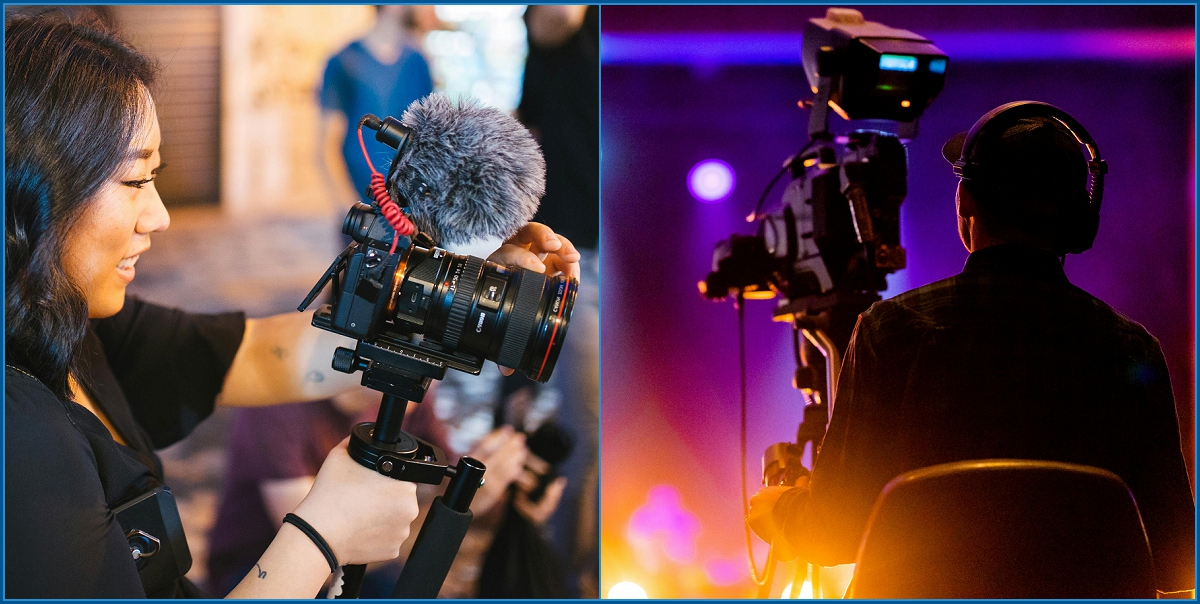
A videographer is usually the better fit for a defined project that one operator can handle, such as an interview, testimonial, presentation, b-roll assignment, or part of an event.
A video production company is usually a better fit when the project requires broader planning, multiple operators, simultaneous coverage, or several coordinated deliverables.
For a more detailed comparison, see Video Production Company vs. Videographer.
How to Compare Orlando Videographers
Confirm Who Will Actually Film the Project
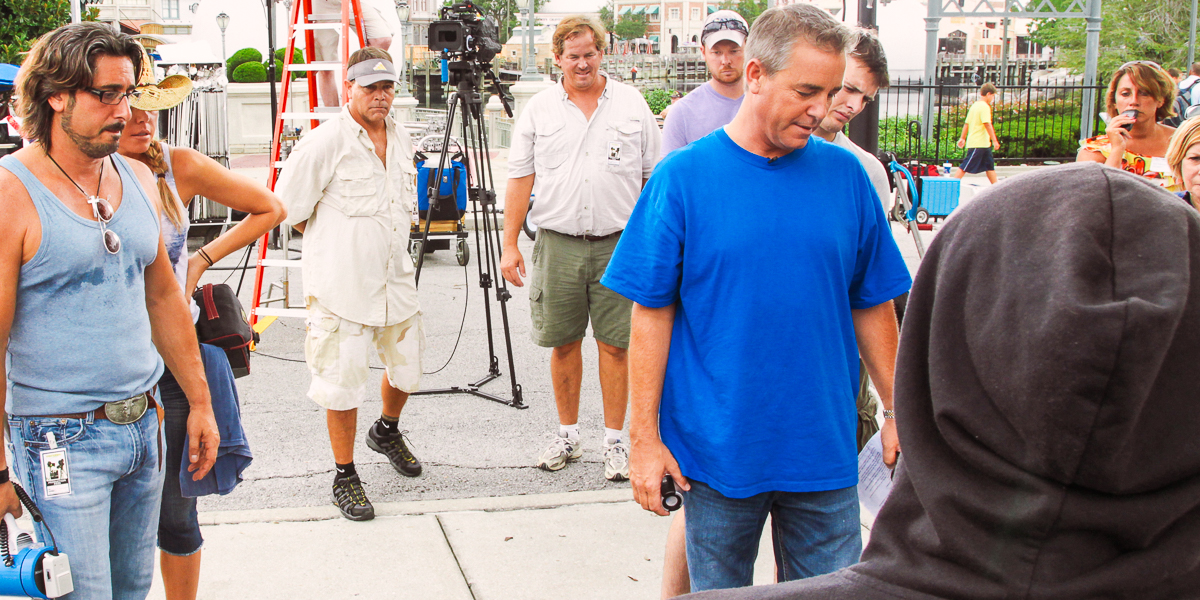
Ask whether the person you are communicating with will also be the videographer who films your project. Some companies book projects locally and assign a freelancer or another operator later. That is not automatically a problem, but you should know who will be responsible for the shoot and be able to review that person’s work when it matters.
Review Full Project Examples
Review the videographer’s portfolio for complete examples that are relevant to your project. A short demo reel can show strong individual shots, but a full video reveals whether the operator can maintain consistent framing, exposure, audio, and coverage throughout a project.
If the closest examples are not published, ask whether additional samples are available.
Look for Experience With Similar Projects
Experience with the same venue is useful, but experience with the same type of assignment is usually more important. A videographer who understands conferences, interviews, trade shows, training sessions, or corporate events is more likely to anticipate the timing and technical issues that come with that format.
Reviews and references can also help confirm whether the videographer communicates clearly, arrives prepared, and delivers what was agreed.
Ask About Audio, Lighting, and Backup Equipment
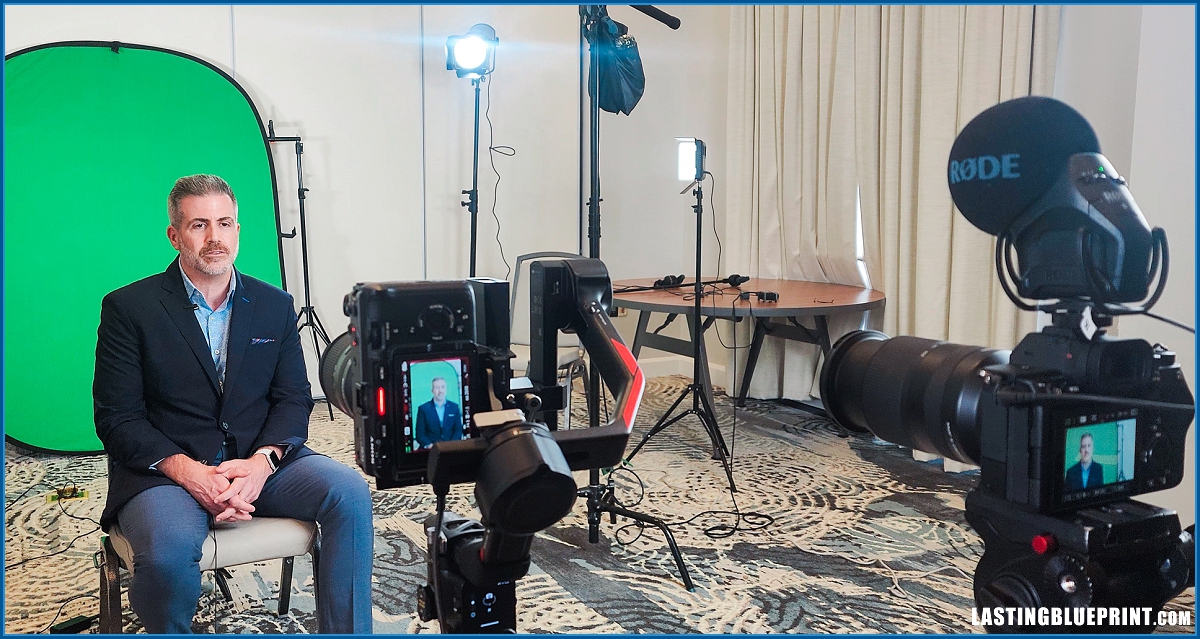
You do not need to compare camera model numbers. Instead, ask how the videographer plans to handle the conditions that affect your footage. For interviews and presentations, clear audio may require lavalier microphones, a sound-system feed, or separate recorders. Corporate interiors may need supplemental lighting, while live events may require a more mobile setup.
Also ask what happens if a camera, microphone, recorder, battery, or media card fails during the project.
Evaluate Communication and Reliability
The quoting and planning process provides an early indication of how the project may be handled. Look for clear answers about availability, scope, schedule, deliverables, rates, and technical needs. A reliable videographer should be able to identify missing information before the shoot rather than waiting until arrival to discover a scheduling or coverage problem.
Define the Scope Before Requesting a Quote
A useful quote requires more than a date and a request for “video coverage.” Provide the event or shoot location, coverage hours, schedule, number of rooms or setups, interview needs, presentation times, shot priorities, and the videos or footage you expect afterward.
Pay particular attention to overlapping activity. One videographer cannot record two simultaneous sessions in separate rooms. If the project includes overlapping presentations, interviews, or locations that must all be covered, additional operators or a broader production setup may be required.
For event-specific questions about staffing, audio, turnaround, raw footage, and rights, see questions to ask an event videographer before hiring.
Set a Realistic Budget Before Comparing Quotes
Videography pricing depends on the amount of filming, preparation, travel, equipment, editing, number of operators, and final deliverables. A short interview shoot and a multi-day conference are not comparable projects even if both require a camera operator.
Establishing the expected scope first makes quotes easier to compare because each videographer is pricing the same assignment.
Understand Day, Half-Day, and Hourly Pricing
Videographers may quote a day rate, half-day rate, hourly rate, or project rate. Ask what the quoted time includes, such as setup, breakdown, travel, equipment, file transfer, or editing. Also confirm the minimum booking period and how additional hours are billed if the schedule runs late.
For a local benchmark, review our current Orlando videographer rates for assignments one videographer can manage.
Confirm Payment, Overtime, and Cancellation Terms
Before booking, confirm the retainer or deposit, balance due date, accepted payment terms, overtime rate, and cancellation or rescheduling policy. If your organization requires purchase orders, vendor registration, Net terms, or certificates of insurance, raise those requirements before the contract is finalized.
Get Editing, Deliverables, and Rights in Writing
The contract or written scope should state what will be filmed and what will be delivered afterward. This is especially important when the project includes editing, because “event video,” “interview video,” or “social clips” can mean different things to different vendors.
Editing and Revisions
If editing is included, confirm the expected turnaround, review process, number of revision rounds, and what counts as an additional edit. If you have brand guidelines, logos, graphics, captions, or examples of the desired style, provide them before editing begins.
Deliverables, Raw Footage, and File Formats
Confirm the number and type of final videos, expected length when relevant, resolution, horizontal or vertical versions, captions, and delivery method. If you want the original camera or audio files, ask whether raw footage is included or available for an additional fee.
Usage Rights and Music Licensing
Clarify where your organization may use the finished videos and whether there are restrictions on paid advertising, internal use, websites, social media, future edits, or distribution to partners. If music is used, confirm that it is properly licensed for the intended use. Also ask whether the videographer may use footage from the project in a portfolio.
Red Flags When Hiring a Videographer
Potential warning signs include vague answers about who will film the project, an inability to show relevant work, unclear deliverables, no written agreement, unrealistic promises, poor communication, or a quote that leaves major parts of the project undefined.
A low price is not automatically a red flag, and a high price does not guarantee the right fit. The important question is whether the scope, experience, process, and deliverables match what your project requires.
Common Hiring Mistakes to Avoid
- Choosing only by price: compare what is actually included in each quote.
- Using a demo reel as the only portfolio check: review relevant full projects when possible.
- Ignoring audio: discuss microphones and sound-system access for interviews, presentations, and panels.
- Leaving the schedule vague: identify overlapping rooms, interviews, or activities before booking.
- Assuming raw footage or editing is included: list each deliverable in writing.
- Skipping usage-rights questions: confirm how the finished videos and footage may be used.
Choosing the Right Orlando Videographer
The best fit is the videographer whose experience, availability, technical plan, and deliverables match the actual assignment. Define the project first, compare relevant work, confirm who will handle the filming, and put the scope and post-production terms in writing before booking.

If your project needs one operator for a defined corporate, event, conference, interview, testimonial, or b-roll assignment, review our Orlando videographer service. Projects requiring broader planning, multiple operators, or a larger production setup can be handled through video production services.