
What Is a Videographer?
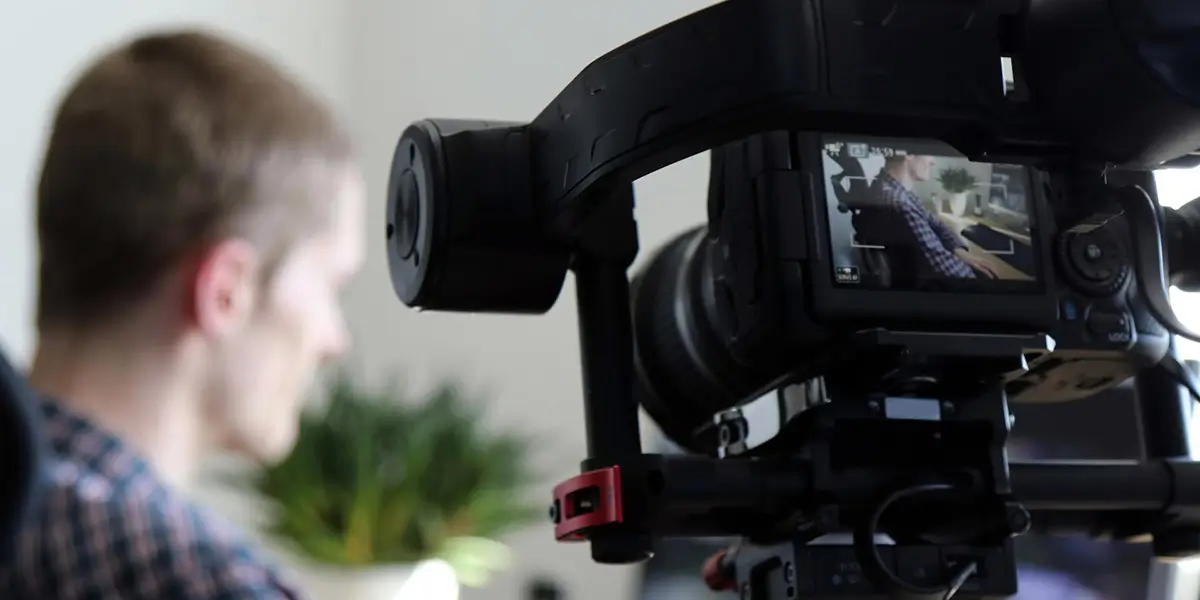
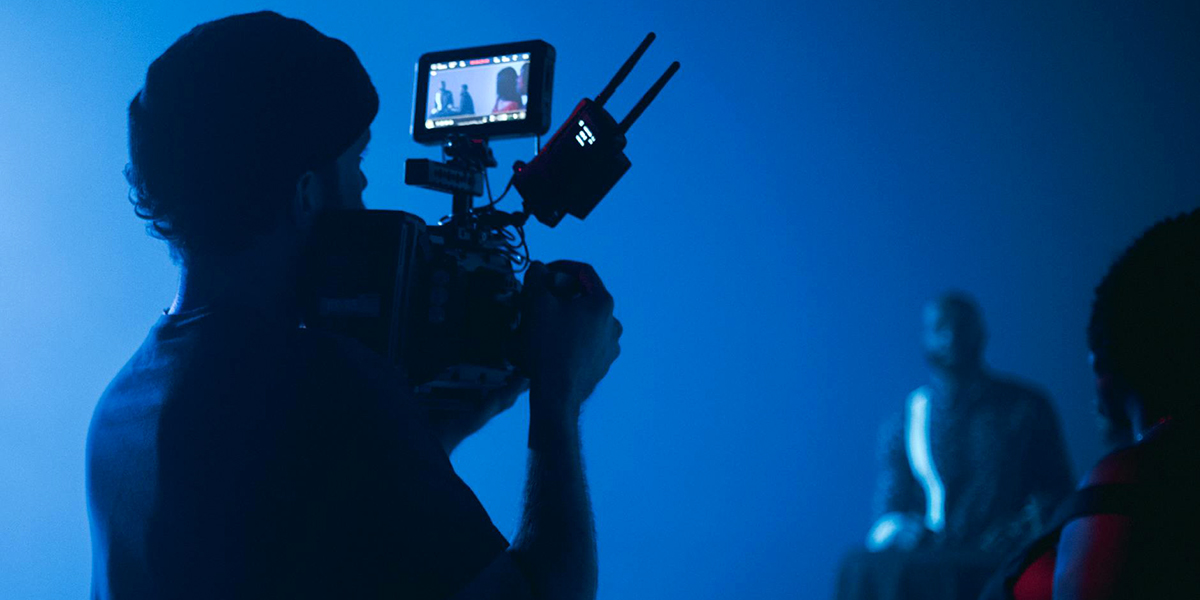
A videographer is a professional hired to record video for a project.
Projects commonly include:
- Business communication or internal updates — often produced as part of corporate video production.
- Conferences, meetings, and live gatherings — commonly recorded through event video production.
- Marketing or promotional material
- Training or instructional content — often created through training video production.
- Interviews and testimonials — often recorded for testimonial video production.
What Does a Videographer Do?
The work typically involves preparing for filming, capturing footage during the shoot, and delivering the recorded material afterward.
Before Filming Begins
Before filming starts, a videographer confirms the details needed to complete the project. This does not always involve location scouting or advance site visits.
Preparation may include:
- Understanding what needs to be captured
- Confirming whether audio will be recorded
- Clarifying timing, access, and deliverables
During Filming
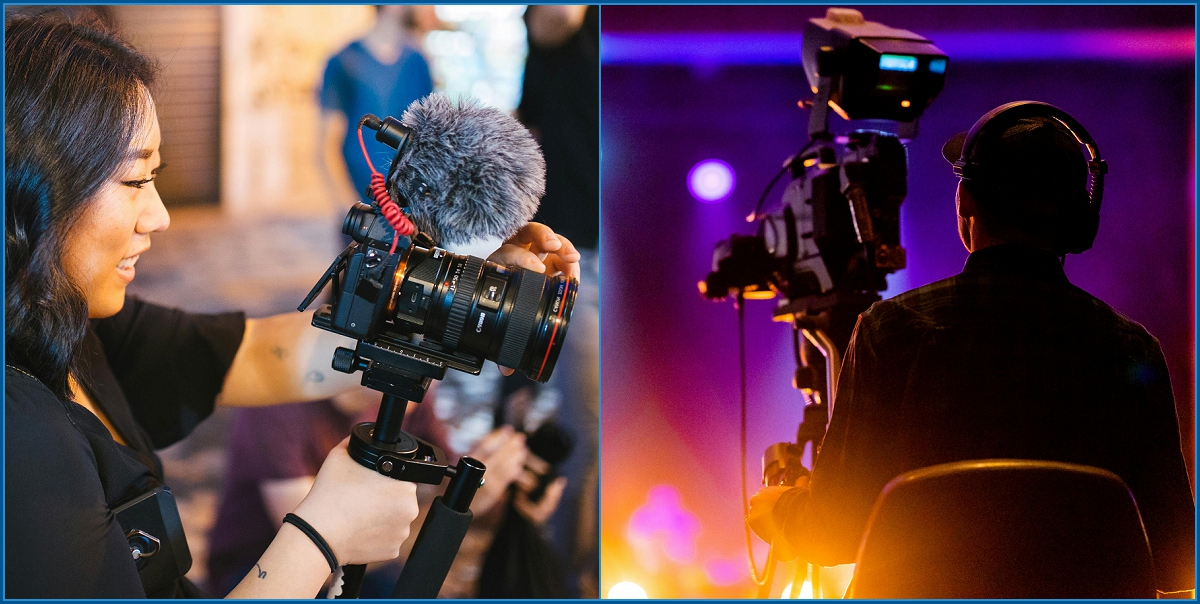
During filming, the videographer captures footage according to the agreed scope.
Typical responsibilities include:
- Operating the camera
- Managing framing, exposure, and movement
- Capturing audio when audio is part of the recording plan
- Adjusting coverage as conditions change
On shoots focused on b-roll, audio may not be prioritized. When dialogue or sound is required, audio capture reflects what was agreed upon during preparation.
Providing Direction When Needed
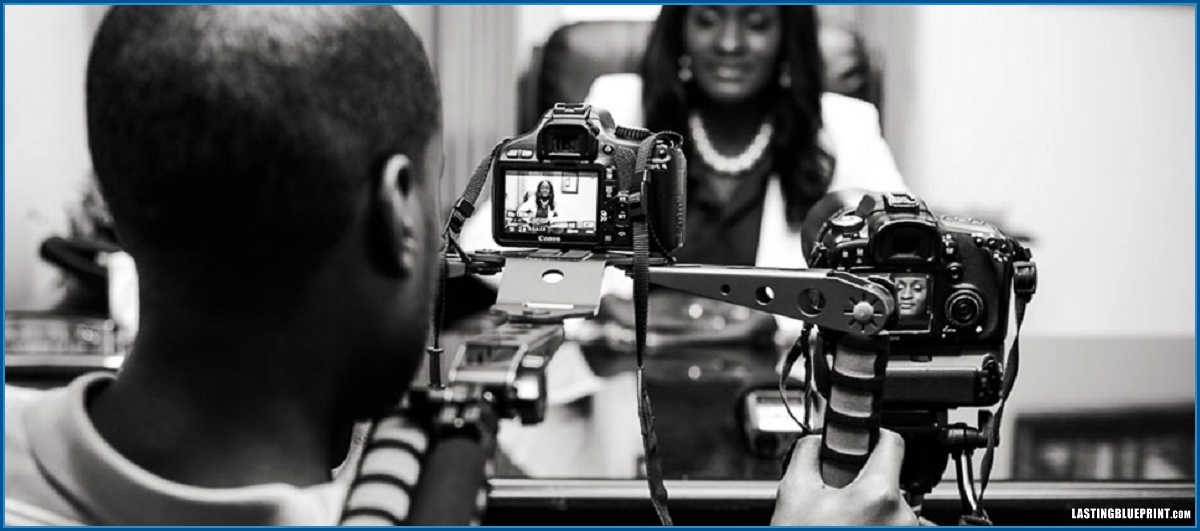
On some projects, a videographer provides practical direction to support clean recording. This may include guidance on positioning, pacing, or repeating a line.
This type of direction supports clean recording and differs from creative directing for larger productions.
After Filming
After filming, deliverables depend on the agreement made for the project.
Some videographers provide raw footage only. Others handle editing and deliver finished videos as part of video editing services.
Export formats, delivery methods, and timelines should match what was agreed upon before filming began.
Responsibilities Often Handled Separately
Some services are often assumed to be part of videography but are usually handled by other teams unless agreed upon in advance.
Audio for Events
When people speak at conferences or large events, microphones and room audio are typically managed by the venue or AV team. If microphones are required for recording, that must be arranged beforehand.
Lighting for Large Spaces
A videographer may bring lighting for interviews or small controlled setups. Lighting an entire stage or conference room is usually handled by the venue or production team.
Additional Production Services
Live streaming, photography, and marketing coordination are separate services unless they are included in the project scope.
Videographer vs Related Roles
Videographer vs Photographer
A videographer records motion and sound over time. A photographer captures still images.
Because the workflows are different, one role cannot always substitute for the other during the same shoot.
Videographer vs Video Editor
A videographer captures footage during filming. A video editor works with that footage afterward.
Some projects involve one person performing both roles. Other productions separate the responsibilities.
Videographer vs Video Production Company
A videographer often records footage independently or with a small crew.
A video production company manages projects that require multiple crew members, production planning, and post-production coordination.
For a detailed explanation of how these roles differ, see Video Production Company vs Videographer.
Closing
Understanding what a videographer does helps clarify how filming, audio capture, and deliverables are handled during a project.