
Common types of videographers include advertising, corporate, drone, event, marketing, product, real estate, sports, travel, and wedding videographers. These labels describe the kinds of projects a videographer works on most often rather than strict professional classifications.
Many videographers work across more than one category. The differences usually come from the subject being filmed, working conditions, production approach, and the type of footage or finished video the client needs.
10 Common Types of Videographers
Advertising Videographer
An advertising videographer creates short-form video intended to promote a product, service, or company. The work is often structured around messaging, timing, and where the video will be distributed. These projects may overlap with marketing and product video work.
A corporate videographer films video content for businesses and organizations. This may include interviews, leadership messages, internal communications, training material, presentations, testimonials, or workplace footage.
Drone Videographer
A drone videographer captures aerial footage using unmanned aircraft. This type of footage is commonly used to support a wide range of projects rather than delivered on its own.
Event Videographer
An event videographer documents live gatherings as they happen. This can include conferences, meetings, ceremonies, trade shows, and other in-person events.
The work requires awareness of timing, movement, audio, and unscripted activity. Depending on the assignment, the footage may be delivered as recordings, b-roll, interviews, or edited recap content.
Marketing Videographer
A marketing videographer creates video content used to communicate a message to a defined audience across multiple channels.
This role often overlaps with advertising and corporate video work.
Product Videographer
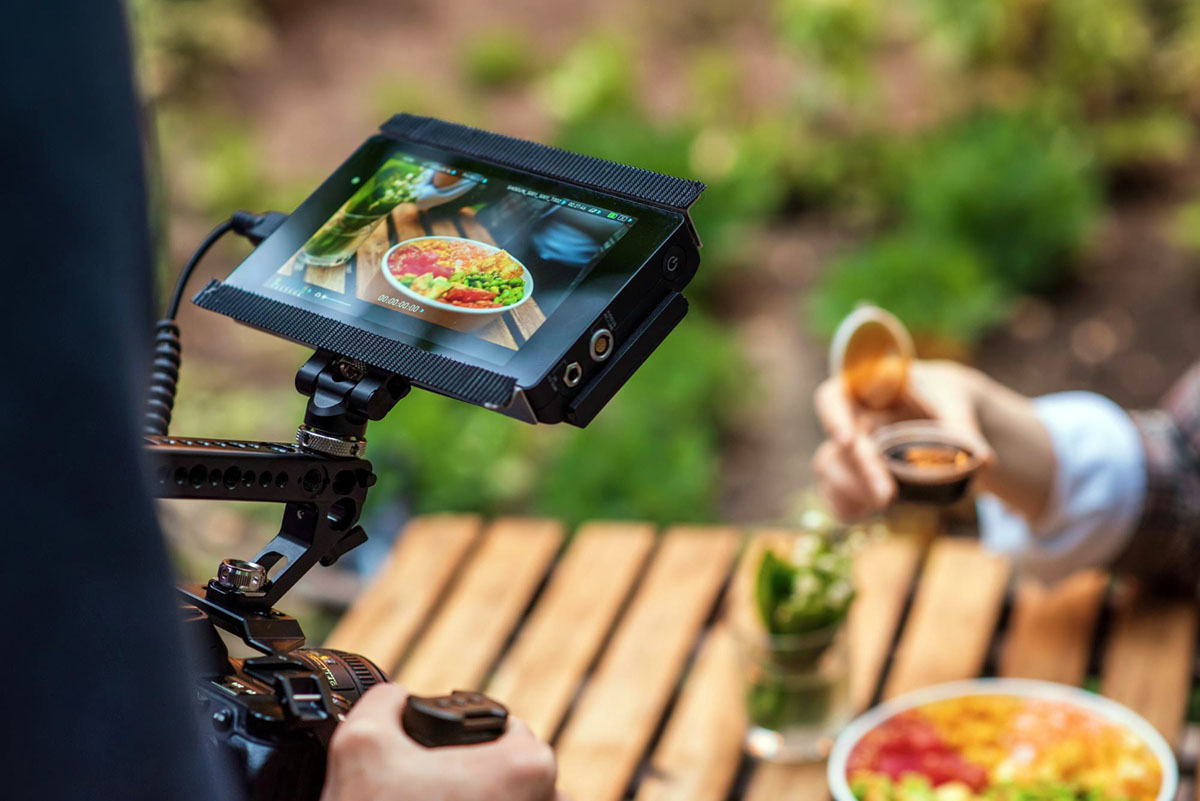
A product videographer creates videos that show how a product looks, functions, or is used. These videos support launches, sales pages, and online listings.
This work typically involves controlled lighting, stable framing, and repeatable setups.
Real Estate Videographer
A real estate videographer produces walkthroughs and promotional footage that show a property’s layout, scale, features, and how spaces connect.
This type of work may incorporate aerial footage and is frequently produced using a structured, repeatable approach.
Sports Videographer
A sports videographer captures fast-moving action and unpredictable play. Timing, reaction shots, camera movement, and situational awareness are central to the role.
The working style prioritizes speed and responsiveness because important moments cannot usually be repeated.
Travel Videographer
A travel videographer produces content centered on locations and experiences. The work blends environmental footage with people-focused scenes.
This role often overlaps with tourism and hospitality projects.
Wedding Videographer
A wedding videographer documents ceremonies and receptions. The work combines live coverage with edited highlight films.
Unlike most event coverage, wedding videography involves a higher level of hands-on involvement, including managing audio for key participants and providing light direction during parts of the day.
Videographer Specialization vs. Capability
Most videographers are technically capable of working across multiple categories. A person who regularly films events may also have the camera, audio, lighting, and editing skills needed for interviews or other corporate assignments.
In practice, specialization often comes down to the type of work a videographer chooses to pursue and performs regularly.
Personal Preference
Some videographers prefer certain subjects or working environments and avoid others. Interest in the work, comfort with the setting, and preferred production style can all influence specialization.
Consistency of Work
Videographers often become more specialized in the project types they book repeatedly. Frequent work in one category builds familiarity with its schedules, common technical problems, and client expectations.
Local Market Demand
Location also affects specialization. Markets with frequent conferences, corporate meetings, weddings, tourism, sports, or real estate activity naturally create more opportunities in those categories.
Because of this, two videographers with similar technical skills may advertise very different services. These overlaps are one reason it is better to judge relevant work and project fit than a job title alone. See our guide to choosing the right videographer.
How to Evaluate a Videographer’s Specialization
A videographer’s specialization usually reflects the projects they take on most often, not every type of work they can perform.
Some skills transfer easily between categories. Interview lighting, camera operation, composition, audio recording, and b-roll may be useful in corporate, event, marketing, and testimonial work. Other specialties operate under very different conditions. Sports videography emphasizes reaction and unpredictable action, while product videography depends more heavily on controlled lighting and repeatable setups.
When comparing videographers, look at work that resembles your project. If the portfolio does not show a close match, ask whether they have handled a similar assignment before and what approach they would use.