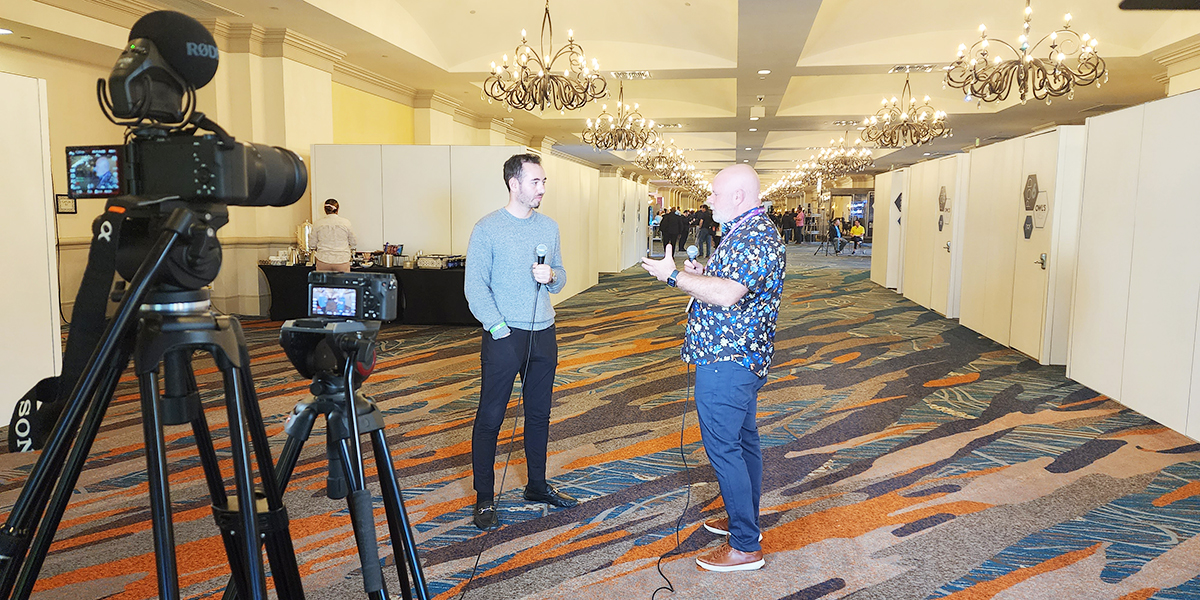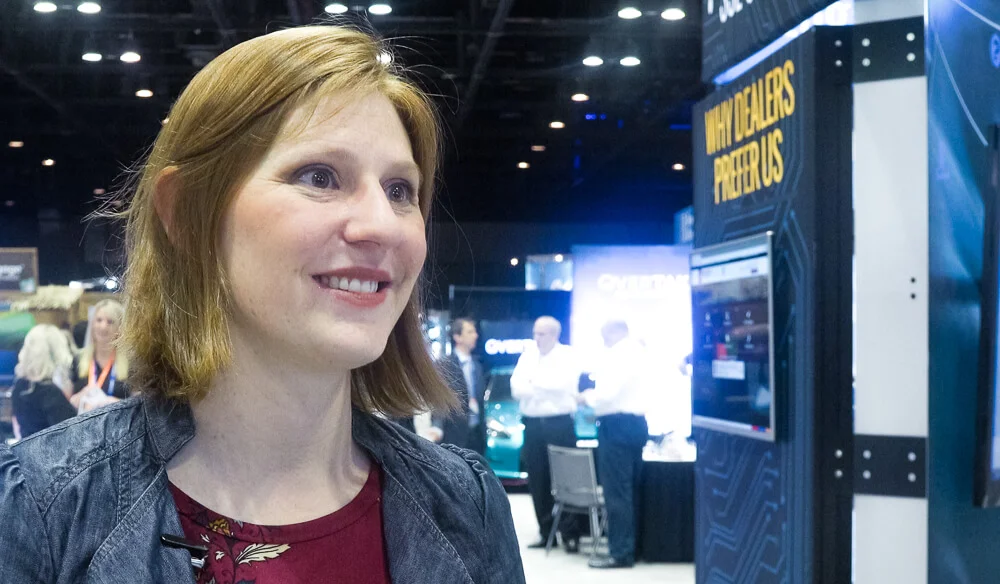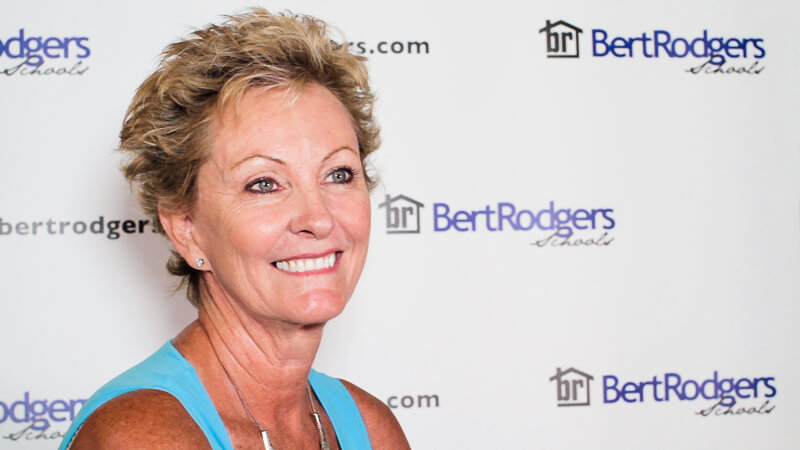

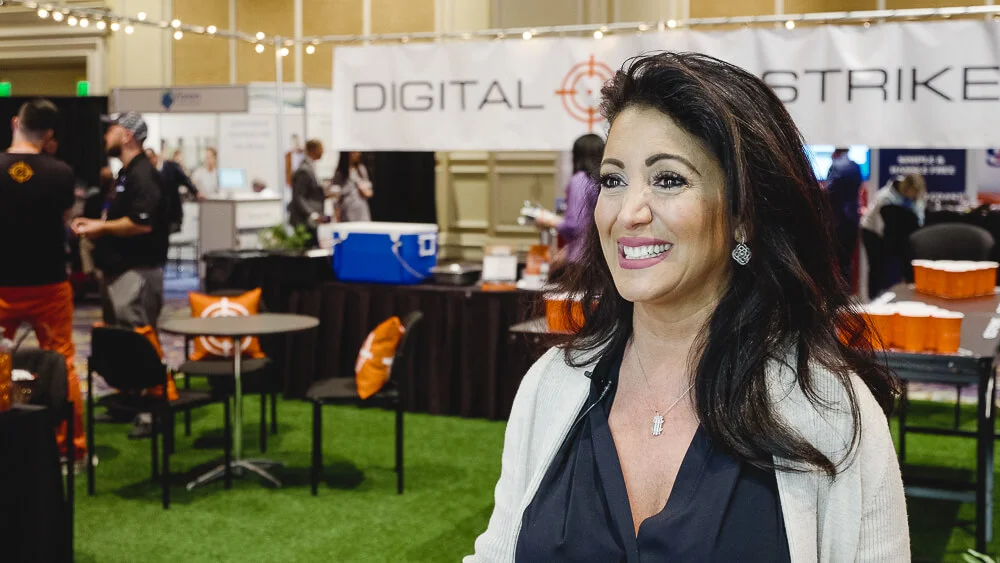
The number of testimonial videos that can be filmed in one day is not fixed. It depends on how the interviews are structured, the filming environment, how many videos are being produced, and how the footage will be used.
In event environments, it’s realistic to record around 10 to 20 interviews in a full day if filming testimonials is the primary focus of the day. How many of those are used depends on the type of videos being created.
If the goal is a single highlight video (around 1 to 2 minutes), typically 5 to 7 interviews are selected. If multiple videos are being produced, more interviews may be used across different edits.
In controlled setups, interviews are usually scheduled and recorded in a quieter environment with fewer interruptions. Because of how those interviews are handled during filming, responses tend to be more in-depth and complete.
If you’re planning a testimonial video, how interviews are handled during filming will directly affect what can be used in the final edit.
What affects how many testimonials can be filmed
The total number comes down to how the interviews are executed in real time.
Key variables:
- whether people are scheduled or found on the spot
- how often the setup has to be rebuilt
- how long each response takes to capture
- whether the subject can give a usable answer without intervention
These factors don’t just affect speed—they determine whether the footage can actually be used later.
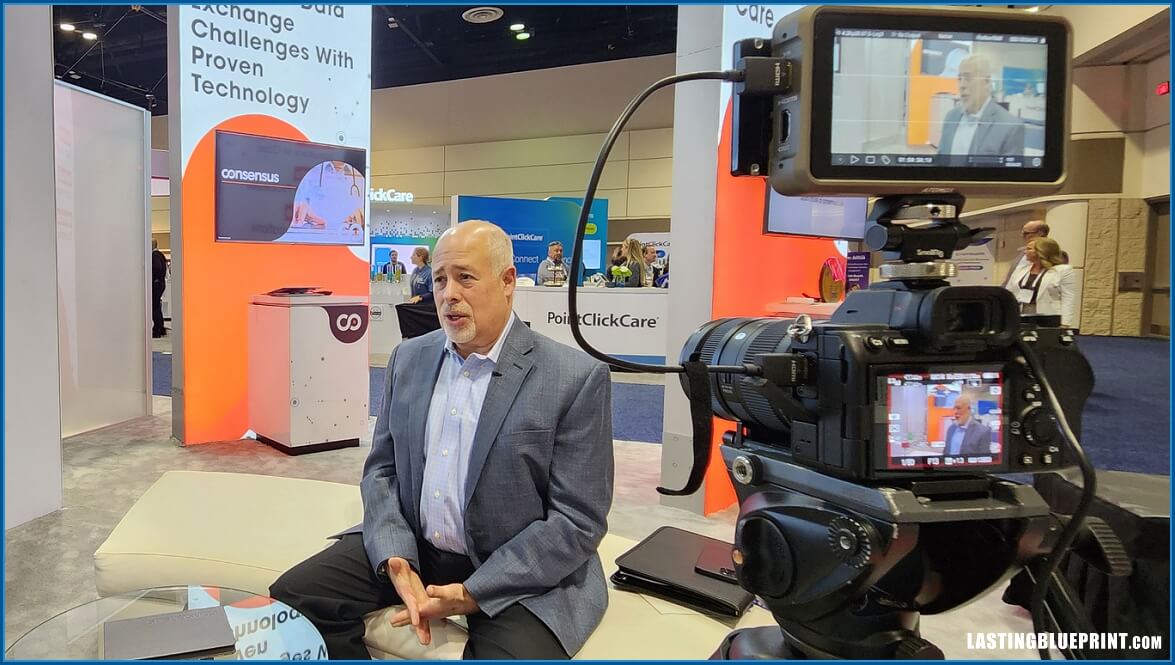
Filming testimonials at events
Interviews are fast, reactive, and inconsistent when filmed at events.
How the interview actually unfolds
- people are approached without preparation
- the interview starts quickly after a short setup
- the subject is thinking while answering, not before
- the interviewer may guide or adjust responses mid-answer
You can see this directly in the recordings. Subjects are sometimes put on the spot and reassured during the process, even being told they don’t have to do it before starting.
In other cases, the interviewer feeds phrasing or asks for specific wording, then has the subject repeat it. This pattern shows up across multiple interviews during event filming.
What that leads to in the footage
- uneven pacing
- partial or unclear answers
- responses that need guidance to stay on topic
- answers that are usable but not strong
Why it matters in the final video
- more interviews are needed to find strong soundbites
- weaker responses get cut
- usable clips are shorter and more selective
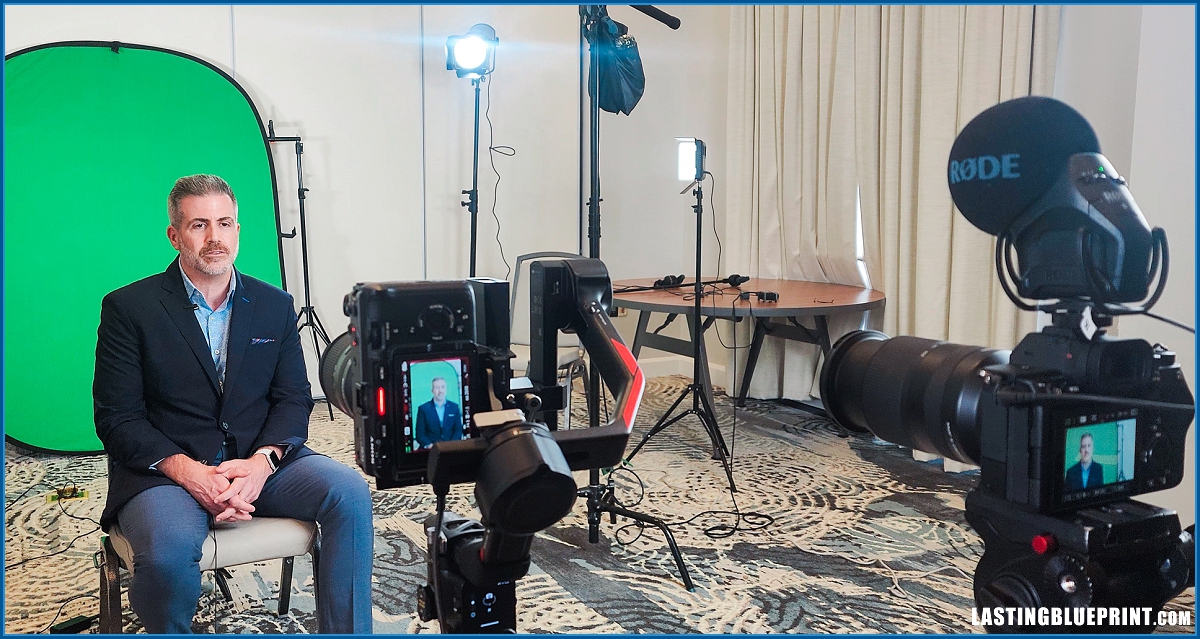
Filming testimonials in controlled environments
Controlled interviews are structured and iterative.
How the interview actually unfolds
- subjects know they will be interviewed in advance
- questions are re-asked or refined
- answers are adjusted before moving forward
- the subject has time to think and restart if needed
This is visible in interviews where questions are repeated and responses are refined before continuing.
What that leads to in the footage
- complete answers instead of partial ones
- clearer structure within each response
- less need for intervention during the answer
Why it matters in the final video
- more of each interview is usable
- responses can be used longer without heavy editing
- fewer interviews are needed to build the final video
How long each interview takes
Interview length directly affects both volume and quality.
At events:
- interviews are shorter and captured quickly
- more people can be recorded in a day
- responses are less consistent and often require selection
In controlled setups:
- interviews run longer
- fewer people are recorded
- responses are more complete and easier to use
The tradeoff is straightforward and comes from how interviews are handled during filming:
- shorter interviews → higher volume, lower consistency
- longer interviews → lower volume, stronger usable responses
What slows filming down
Time is lost between interviews, not just during them.
What actually happens on a shoot:
- equipment is carried, set down, adjusted, and reset repeatedly
- subjects agree but are not ready to start
- filming pauses for messages, conversations, or repositioning
- the flow between interviews breaks constantly
Even when someone agrees to participate, delays before filming begins add up across the day.
At events, the biggest slowdown is the time between interviews, not the recording itself.
What makes filming more efficient
Efficiency comes from controlling setup and flow.
What changes on a shoot:
- the setup stays in one place
- people come to the camera instead of the camera moving to them
- interviews happen back-to-back
- fewer adjustments are needed between subjects
What that leads to:
- less downtime
- more consistent footage
- faster transitions between interviews
The gain is not faster interviews—it’s eliminating reset time.
Selecting the right participants matters
Not everyone who agrees to be interviewed can give a usable response.
What happens without screening
- subjects are unfamiliar with the topic
- answers are general or unclear
- the interviewer has to guide or correct responses
This shows up in interviews where subjects speak broadly or struggle to stay focused
What happens with screening
- subjects already have a clear perspective
- answers are more direct and specific
- less intervention is needed during filming
Why it matters:
- reduces time spent on unusable interviews
- increases the chance of capturing strong responses
What makes a testimonial usable
A testimonial is usable when the response works in the edit without needing correction.
Strong responses
- answer the question clearly in one complete thought
- stay focused on a specific experience
- can be understood without additional context
- sound natural without visible guidance
These responses can be placed directly into the video as standalone soundbites, which is consistent across strong testimonial examples. This is visible in structured interviews where the subject explains a problem, the change, and the outcome clearly.
Weak responses
- are incomplete or vague
- require prompting or rewording during filming
- drift off topic
- depend on the interviewer’s question to make sense
These responses are often shortened, heavily edited, or removed entirely.
What this means in editing
- the final video is built from the strongest responses
- weaker interviews are replaced, even if they are technically usable
- recording more interviews increases options, not guarantees
Why more interviews does not always mean better results
More interviews increase volume, not quality.
What happens when focusing on quantity:
- participants are chosen quickly
- weaker responses are accepted
- less time is spent capturing strong answers
What that leads to:
- more footage
- fewer strong clips
The result is more material to sort through, not better outcomes.
How testimonial filming works in real situations
Filming is adjusted based on what is actually possible during the day.
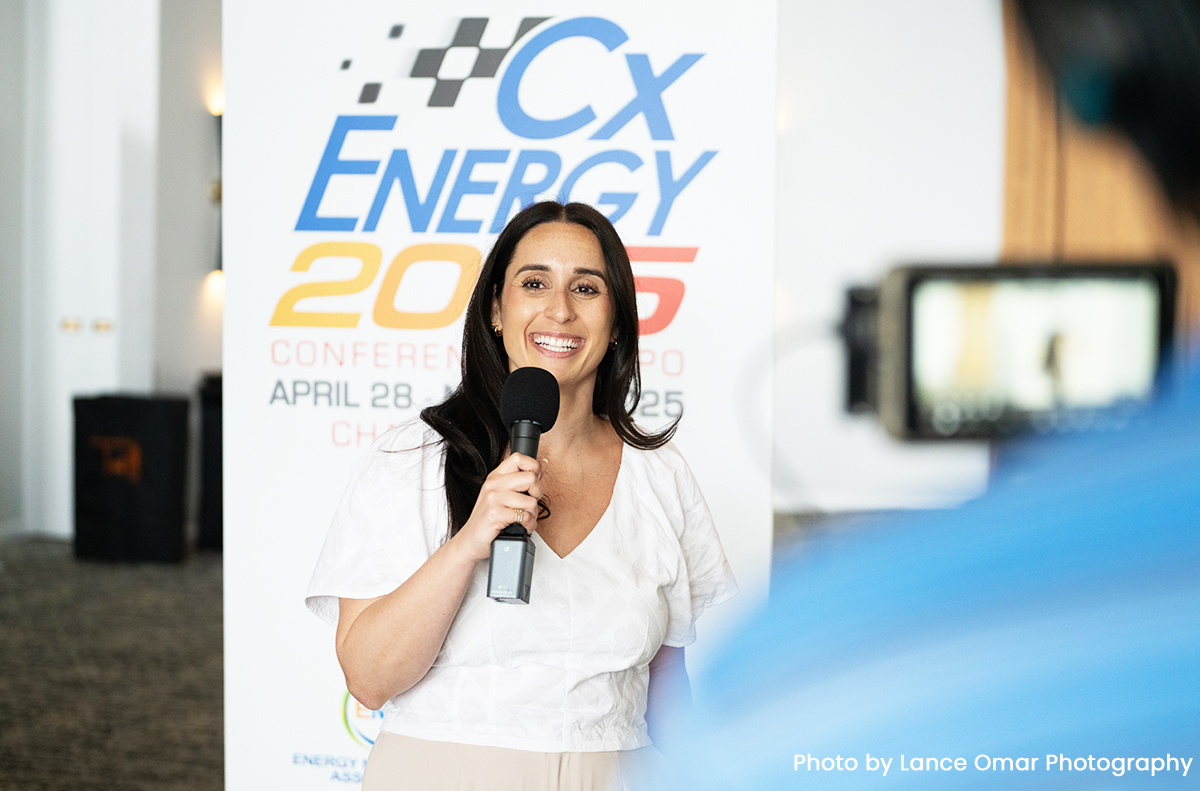
At events:
- interviews are a mix of scheduled and unscheduled
- the number captured depends on timing and participation
If a client wants 5 strong testimonials, it is more effective to plan for 6 to 7 participants to account for cancellations or weaker responses.
The goal is not to hit a number—it is to capture enough strong responses to build the final video.
Final takeaway
The number of testimonials you can film in a day is determined by how the interviews are handled during production.
Recording more interviews does not guarantee better results. What matters is how those interviews are captured, how complete the responses are, and how many of them can actually be used in the final edit.