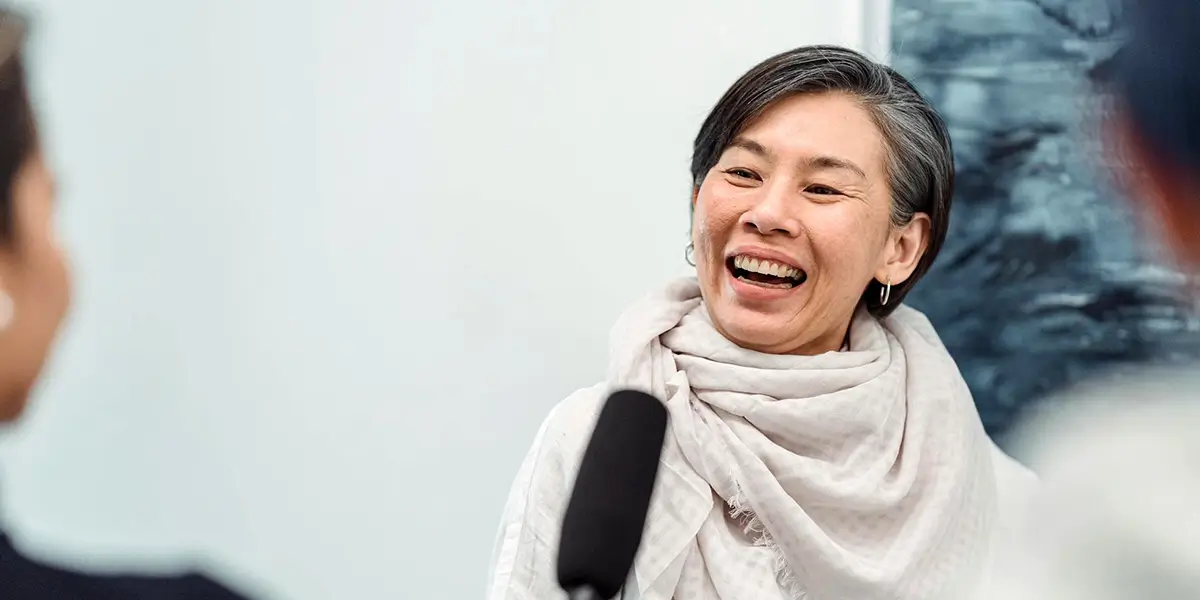

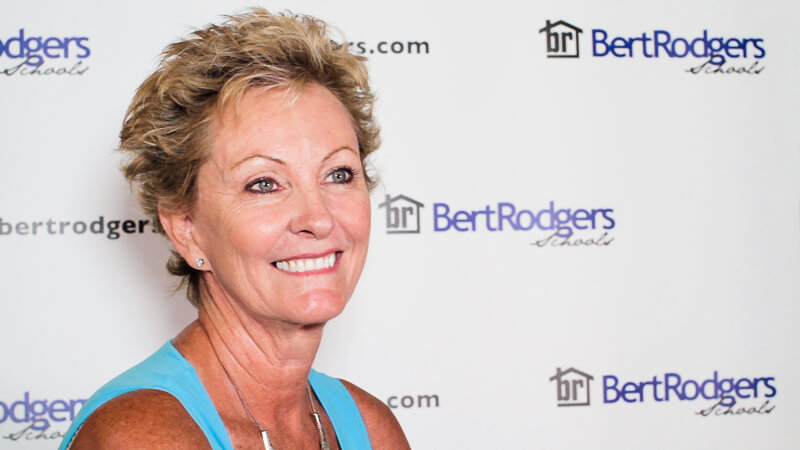
Testimonial videos sound natural when interviews are conducted in a way that allows subjects to respond in their own words without being directed or scripted.
This comes from how the interview is handled during filming, including how questions are asked, how responses are guided, and how much control the subject has during the conversation.
The filming environment and interview structure both affect how responses come across, whether recorded at events or in controlled setups.
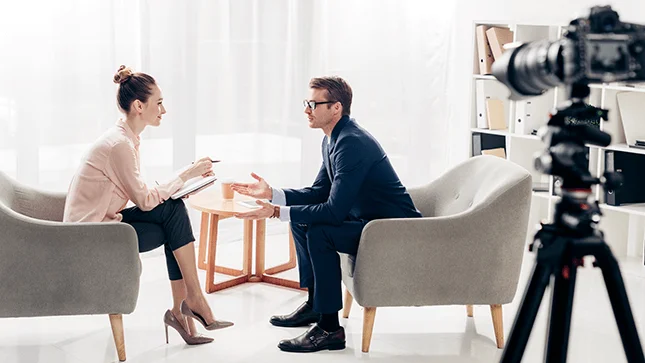
How testimonial interviews are structured during filming
In many setups, interviews are not run from a fixed script. The structure remains flexible so the conversation can develop naturally.
At events, a client or team member often asks the questions, with the direction guided by how the conversation unfolds rather than a strict list.
When I’m stepping in to ask questions, I stay within the topic but adjust based on what the person says instead of following prepared wording.
Testimonial video setup (camera, audio, and framing)
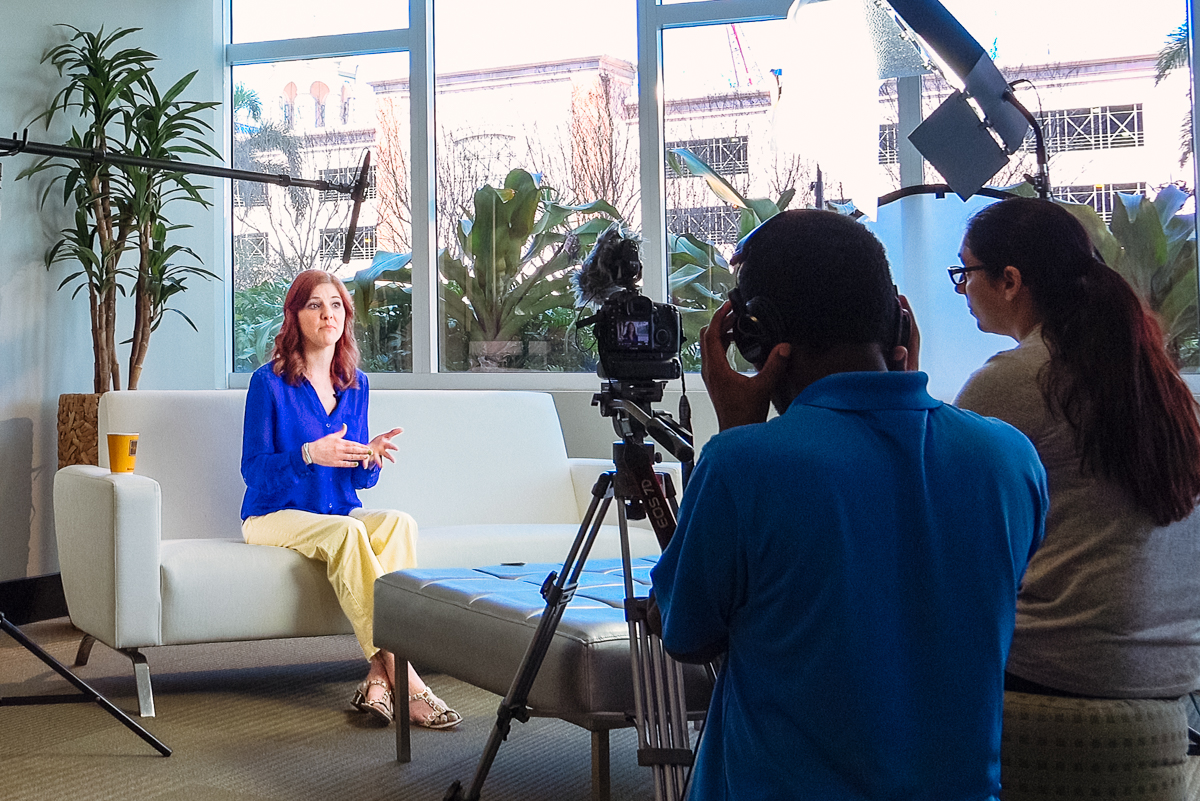
Testimonial interviews are typically filmed using a repeatable technical setup.
In most professional setups:
- one camera captures the primary angle
- a second camera provides an alternate angle or backup
- Interviews are usually framed on tripods to maintain stable framing.
Audio is commonly recorded using:
- lav microphones for direct dialogue
- boom microphones in larger spaces like meeting rooms where there is enough room for proper placement
Event environments vs controlled interview setups
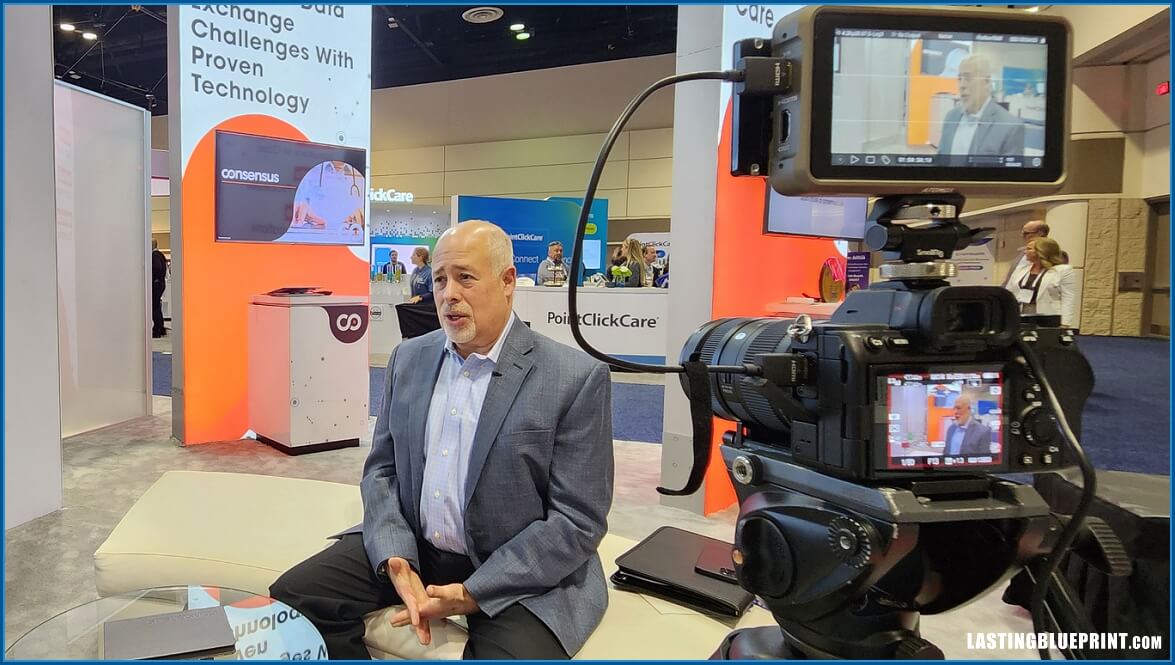
The filming approach changes depending on the environment.
Event testimonial environments (conferences, convention centers, hotels)
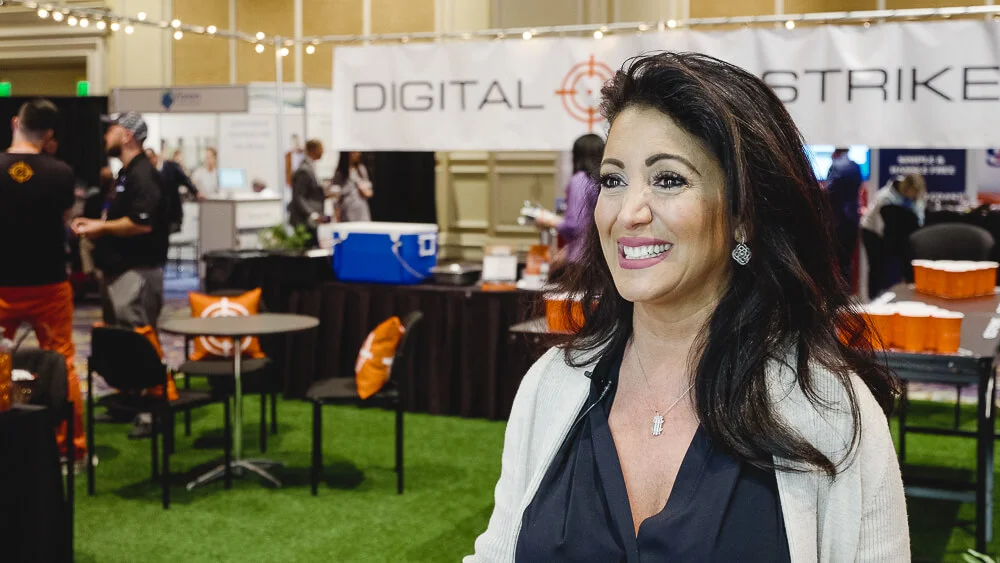
Event-based testimonials are often filmed within active conference environments, including large venues and hotels where multiple sessions and attendees are moving throughout the space.
This setup is common for conferences and corporate events held in cities like Orlando, where multiple events take place across convention centers and resort properties.
- interviews may take place in different locations throughout the event
- background noise and movement are part of the setting
- multiple participants are recorded within a limited timeframe, which directly affects how many testimonial videos can be filmed in one day
Office or controlled testimonial setups
- interviews take place in a single, controlled setup
- lighting and audio can be adjusted more precisely
- more time is available per subject
Selecting participants before recording
In event environments where testimonials are not scheduled in advance, not every person will be a good fit for an interview.
Some participants may:
- be unfamiliar with the product or service
- have just arrived at the event
- not have enough experience to give a clear response
Recording these interviews often leads to vague or unusable answers.
To avoid this, it helps to confirm basic context before starting. This can be done through a quick conversation to understand:
- how familiar the person is with the product, service, or event
- whether they’ve had enough experience to speak on it
- what their perspective might be
This step helps focus filming time on participants who can provide clear, relevant responses.
Why testimonial videos sound forced or unclear
Responses tend to lose effectiveness when they are overly directed.
Common situations include:
- being told exactly what to say
- being given phrases to repeat
- being guided toward specific statements
These situations often result in answers that feel forced or less personal.
How responses are shaped during the interview
The goal during filming is to capture responses that are clear, complete, and usable in the final video.
Strong responses:
- communicate a full idea without gaps
- stay focused on a single point
- can be understood without additional explanation
Testimonial video questions that improve responses
Follow-up questions are used to expand or clarify initial responses.
In many cases, the first answer may rely on industry language or leave out key context. Follow-ups help make the response more complete.
This may involve asking the subject to:
- explain something in simpler terms
- compare it to other options
- expand on a specific point
When I step in, I often approach it from the perspective of someone who isn’t deeply familiar with the subject. This helps identify gaps and guide the response toward something clearer.
The way questions are structured plays a direct role in how clear the final responses are.
How testimonial videos are structured in editing
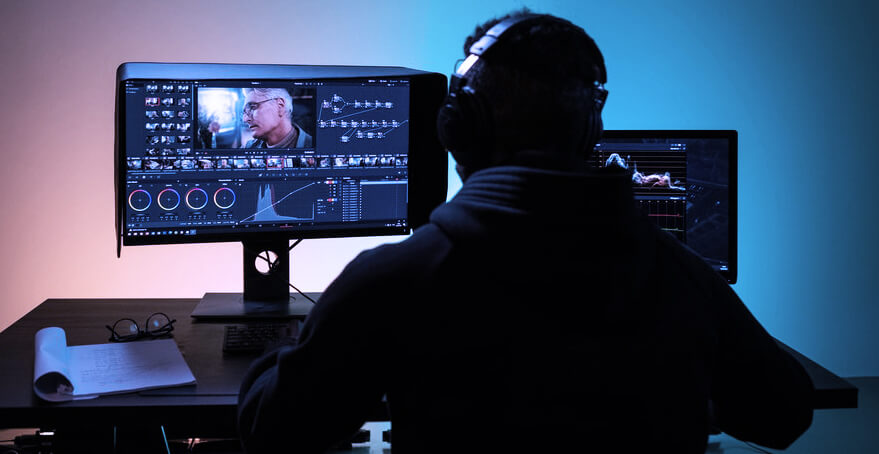
The final testimonial is shaped during post-production.
The interviewer’s voice is often removed so only the subject’s response remains. Answers are arranged into a clear sequence that flows logically.
Editing typically involves:
- removing pauses and repetition
- organizing responses into a structured message
- using supporting footage to cover transitions
Depending on the project, testimonials may be delivered as standalone videos or incorporated into a larger piece. You can see examples of how these are structured in completed projects.
What clients typically receive
Deliverables depend on how the testimonial content will be used.
Projects may include:
- individual testimonial videos
- multiple edits from a single interview
- testimonials combined into a broader video
The format is defined before production based on the intended use.
Where testimonial videos are used
Testimonial videos are commonly used on websites, social media, commercials, presentations, and event-related content where clear and direct responses are needed. This type of content is often produced as part of broader testimonial video production.
Final takeaway
The way a testimonial is handled during filming has a direct impact on whether the final video feels clear or forced.