Exhibitors may want clean booth footage, active booth coverage, demonstrations, presentations, interviews, same-day social video, and wider event context. Each type of footage serves a different purpose and may require different timing during the show.
Clean and Active Booth Footage
Pre-opening access can be useful when planning trade show video production that includes clean booth footage. That access gives the camera a chance to capture signage, displays, products, and layout before attendee traffic fills the space.
Active booth coverage can show conversations, meetings, demonstrations, and how attendees interact with displays.
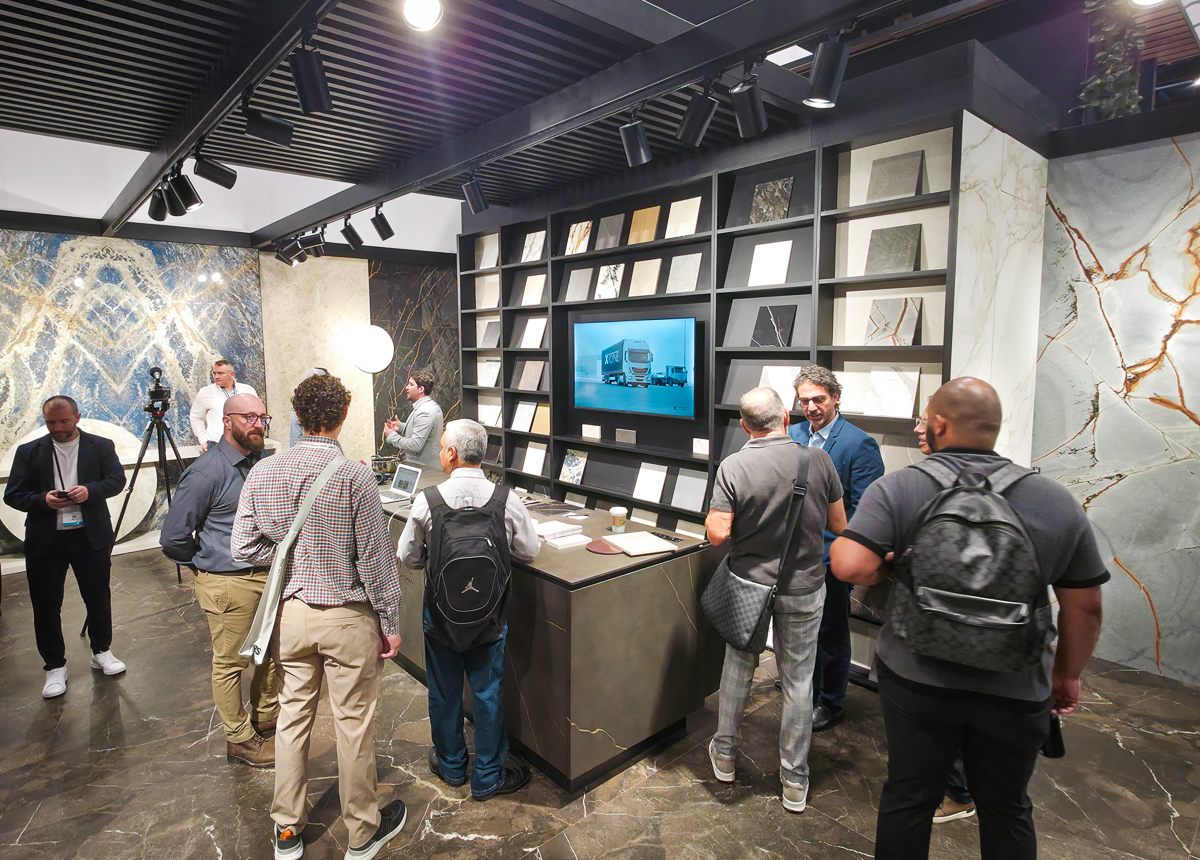
At KBIS 2026, we filmed one exhibitor’s booth before attendee traffic and again during show hours. The first pass documented the exhibit without attendees blocking the view. The second showed how people interacted with it.
Product Demonstrations and Presentations
When a real product demonstration is already happening, filming it can capture the product and the interaction around it. The footage can show how the product is explained, how attendees respond, and what happens naturally around the demonstration.
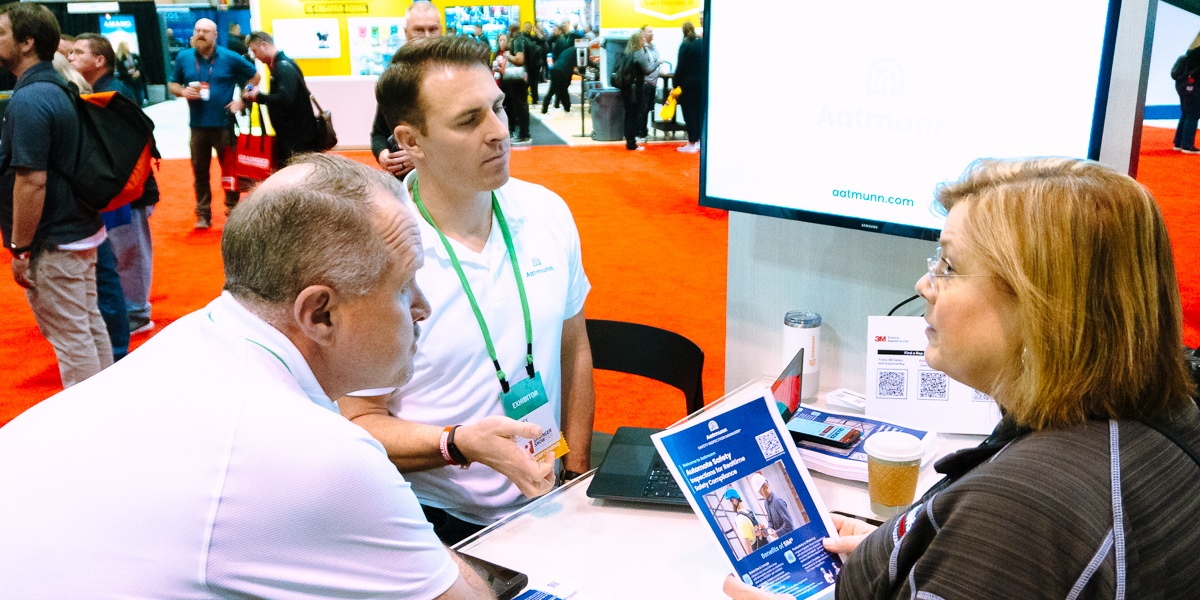
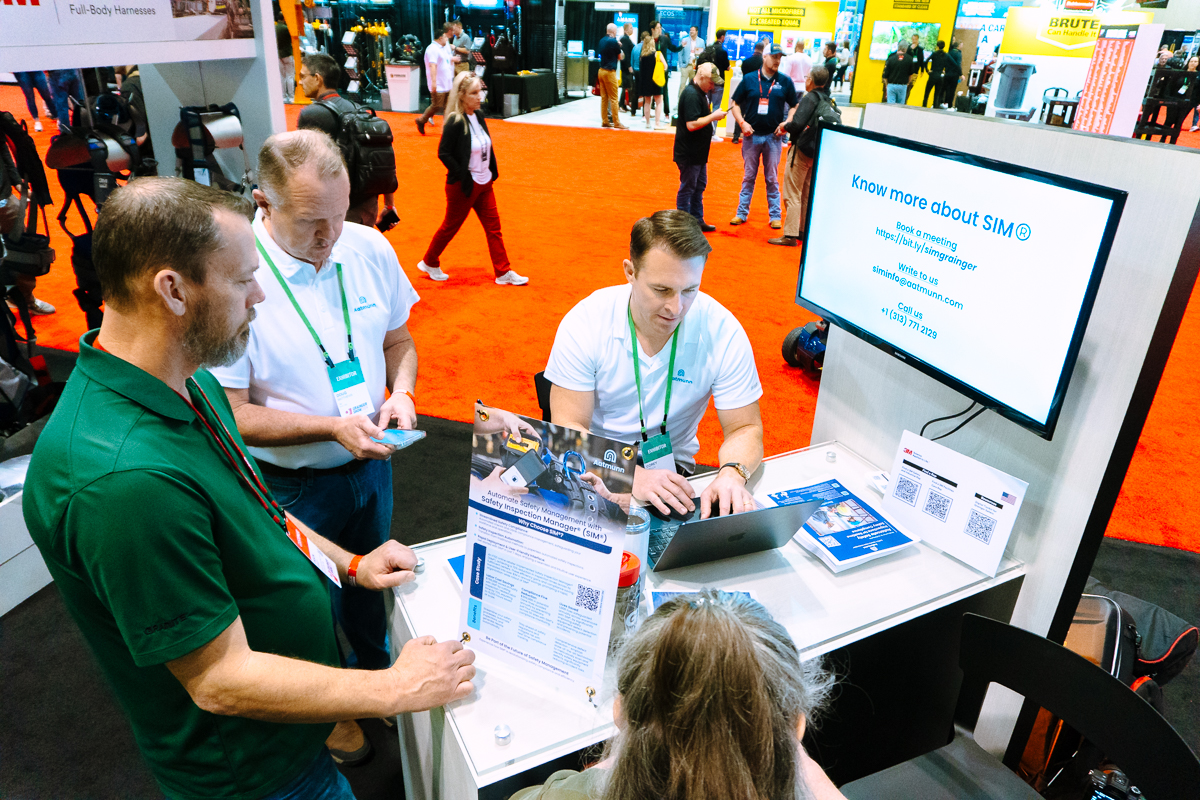
At the Grainger Show, we filmed Safety Inspection Manager demonstrations for an industrial safety exhibitor. We also captured a live safety demonstration within the larger exhibit, including attendees watching.
At DISTRIBUTECH, one exhibitor hired us for a presentation recording while another wanted presentation and booth footage. Even at the same event, exhibitors can have different coverage priorities based on their deliverables.
If a demonstration or presentation has a set time, identifying that window in advance helps avoid missing it.
Interviews and Testimonials
Scheduling interviews in advance confirms who has agreed to participate and gives each person an expected time. The schedule may still move if meetings run long or someone becomes busy at the booth.
Other interview opportunities can develop during the event.
At Digital Dealer, a production assistant working with us recruited willing attendees and exhibitors for testimonial interviews. That project shows why leaving room for interviews identified during the show can be useful.
A Short Social Media Video During the Show
Some exhibitors want a short social media video posted before the trade show ends. A company representative can mention the event, booth location, a product, a demonstration, or another reason to visit.
For that format, early filming and delivery keep the post useful while the event is still underway.
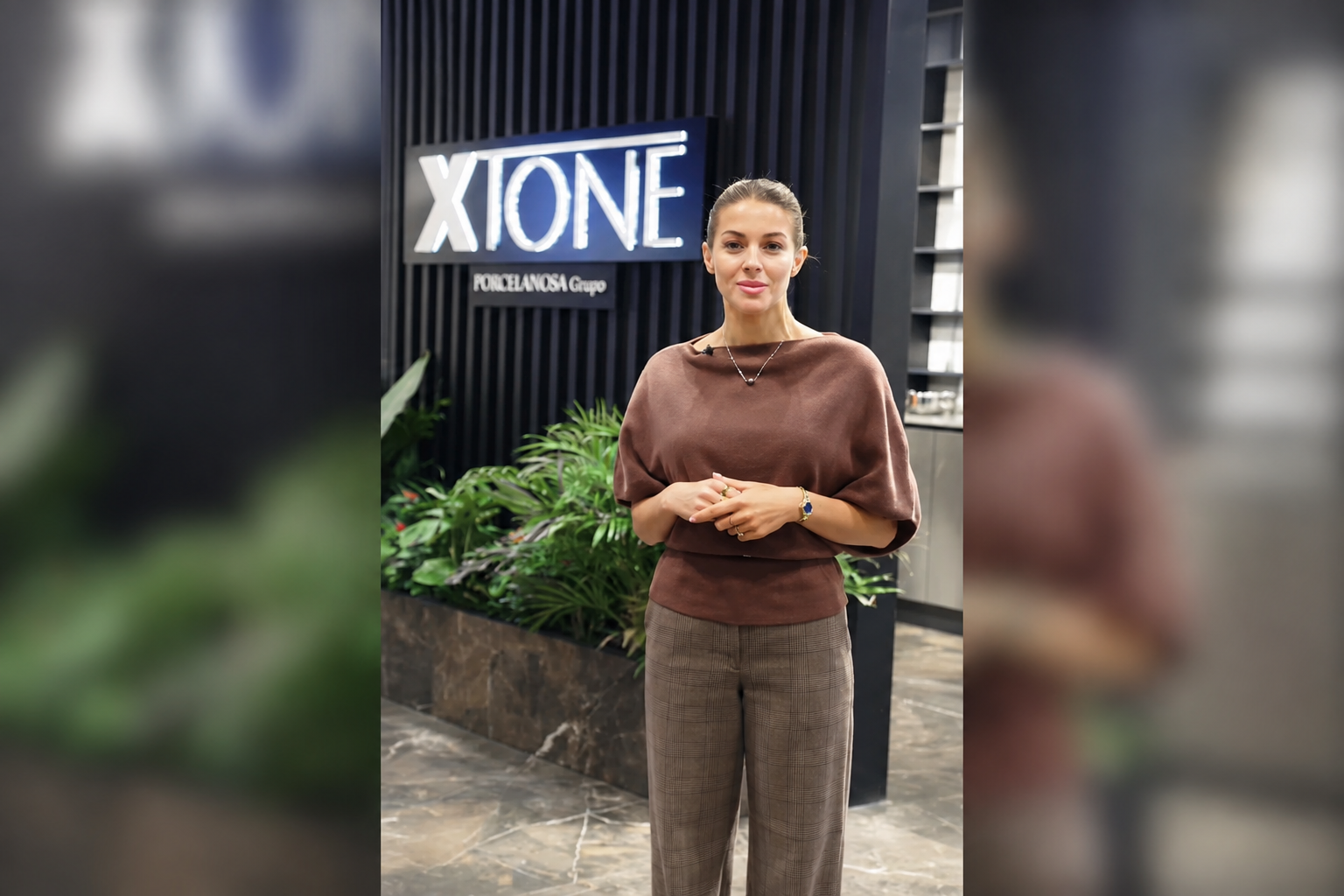
At KBIS 2026, we added a presenter-led vertical video during production and delivered it the same day. The presenter introduced the product and invited viewers to see the collection while the show was still underway.
Event Identity and Wider Show-Floor Context
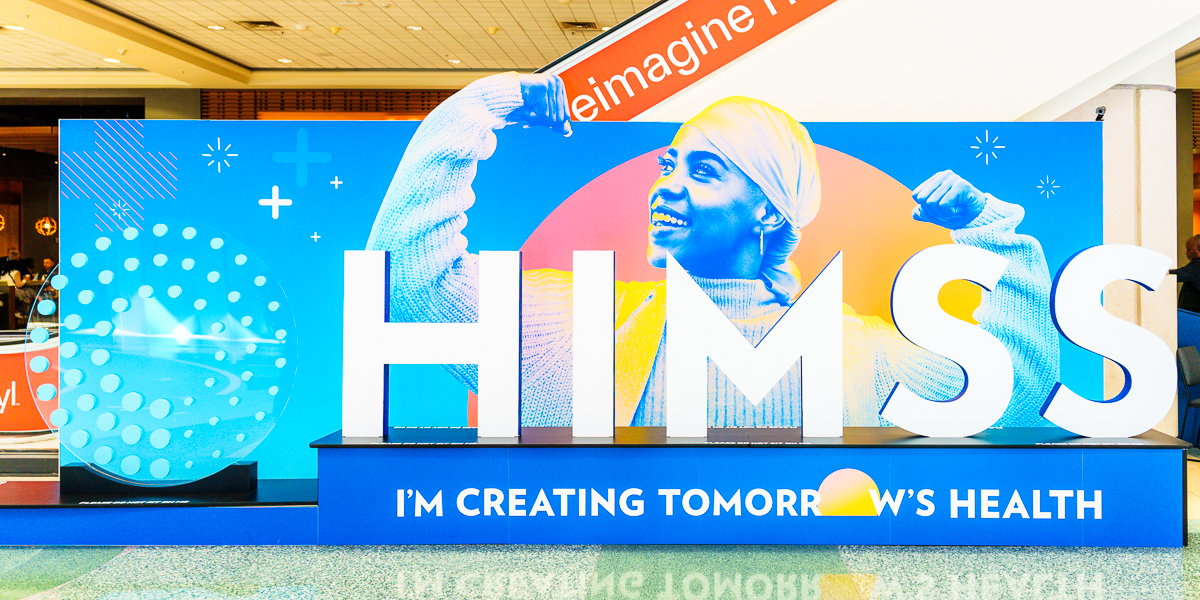
Footage from inside an exhibit hall can lose its context when viewed separately from the event. Event signage, entrances, hall graphics, booth numbers, sponsor branding, and other recognizable details can establish that context.
If a sponsorship, booth location, or branded area matters, flagging it before filming is a good option. The videographer may not know which details carry special significance for the exhibitor.
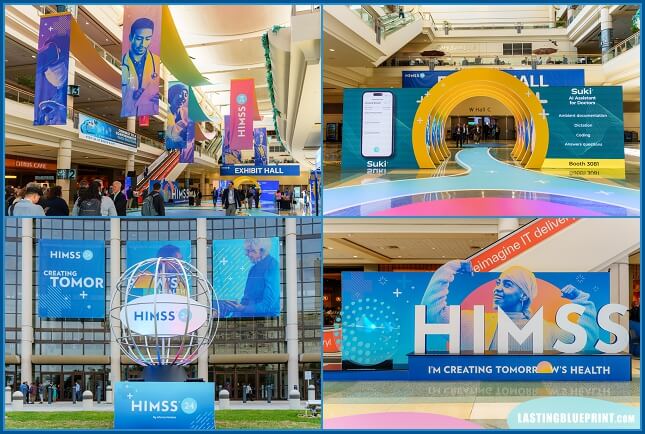
During HIMSS24, our coverage at the Orange County Convention Center included event signage and exterior footage.
It also included booth activity, a product presentation, and an interview. Those shots provided recognizable HIMSS context alongside the booth and presentation footage.
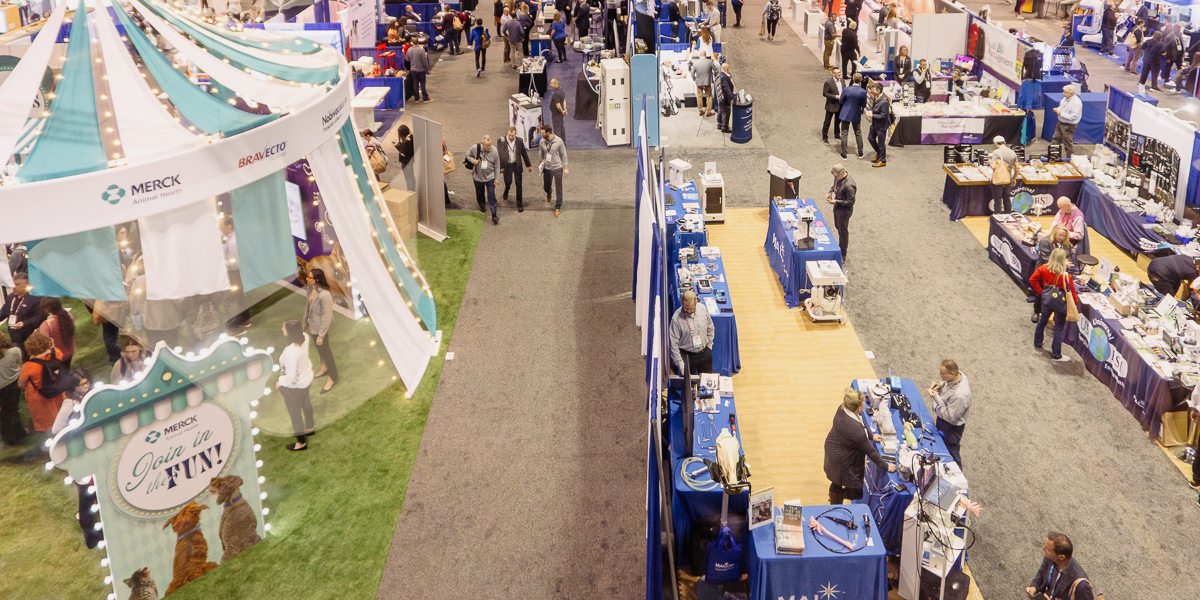
Wider show-floor footage is useful when the scale or surrounding activity matters to the finished video.
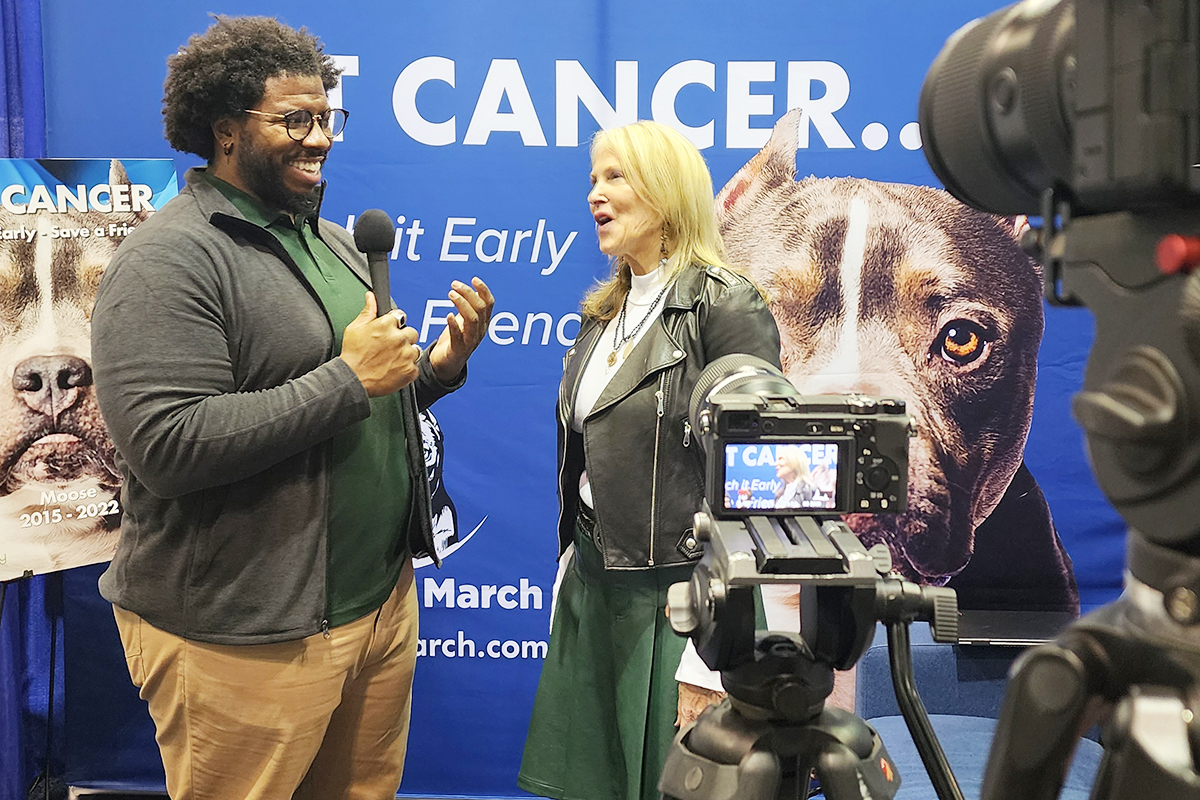
At VMX 2024, we filmed wider booth and general exhibit-floor footage for a veterinary exhibitor alongside interviews and testimonials. That footage showed the exhibitor within the larger event environment, not only the immediate booth space.