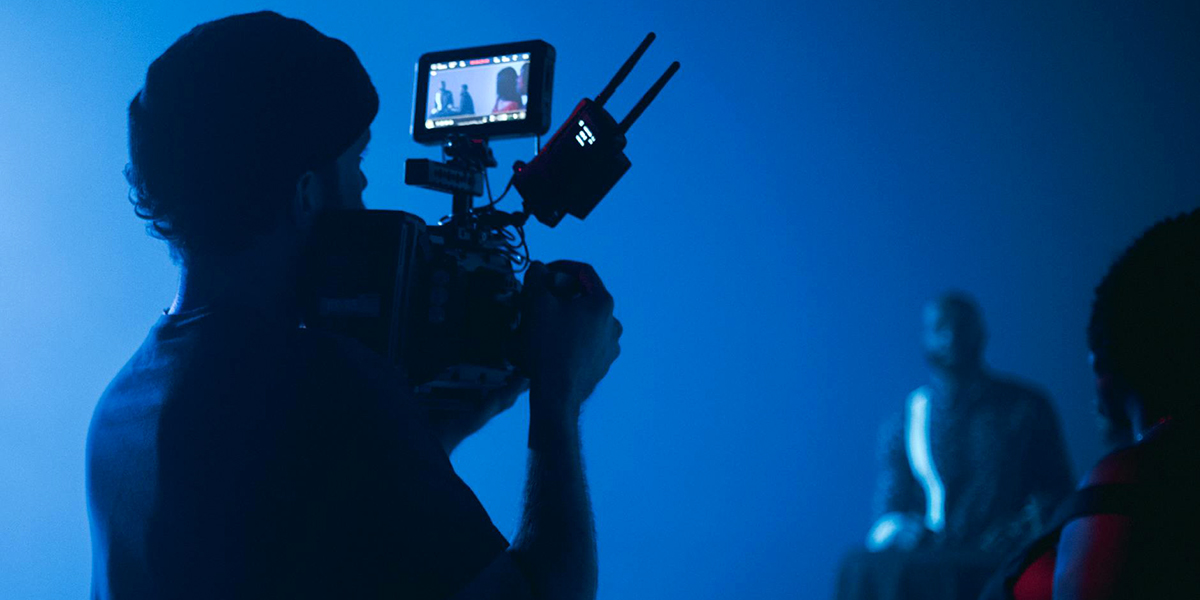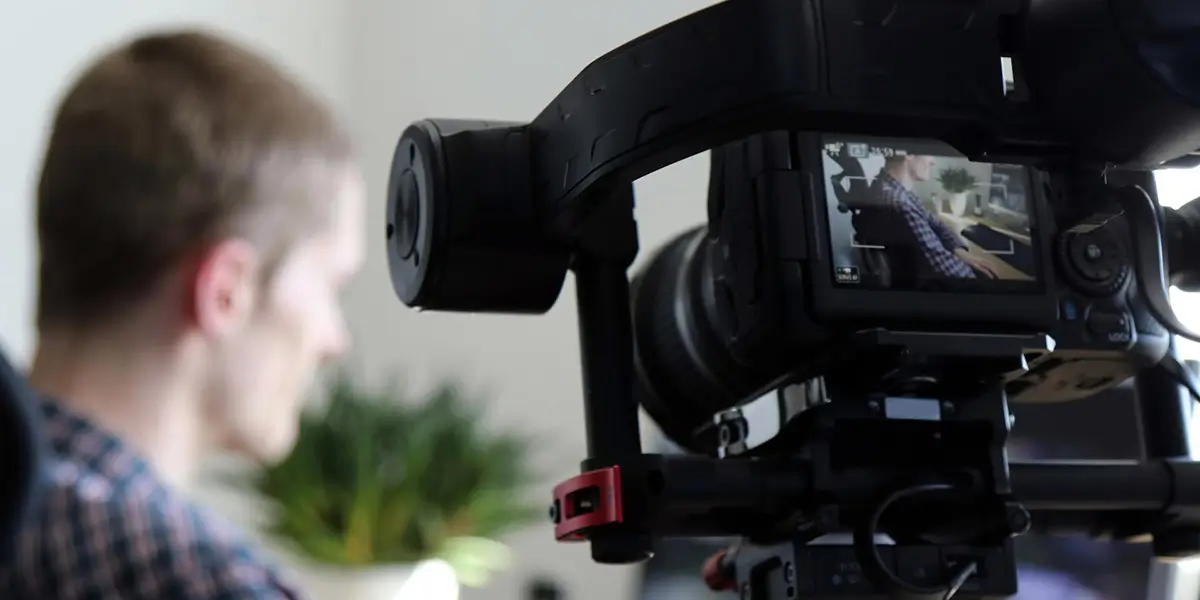

Videographers are commonly categorized by the types of projects they handle, such as events, corporate work, marketing content, or product video production.
The categories below outline common types of videographers and how their work differs in practice.
Advertising Videographer
An advertising videographer creates short-form video intended to promote a product, service, or company. The work is often structured around messaging, timing, and where the video will be distributed. These projects may overlap with marketing and product video work.
Corporate Videographer
A corporate videographer produces video content for organizations. This may include interviews, internal communications, training materials, presentations, or external messaging.
Drone Videographer
A drone videographer captures aerial footage using unmanned aircraft. This type of footage is commonly used to support a wide range of projects rather than delivered on its own.
Event Videographer
An event videographer documents live gatherings as they occur. This can include conferences, meetings, ceremonies, and other in-person functions.
The role requires adaptability, awareness of timing, and the ability to film without interrupting activity. Deliverables may include full recordings or recap edits, depending on the project.
Marketing Videographer
A marketing videographer creates video content used to communicate a message to a defined audience across multiple channels.
This role often overlaps with advertising and corporate video work.
Product Videographer

A product videographer creates videos that show how a product looks, functions, or is used. These videos support launches, sales pages, and online listings.
This work typically involves controlled lighting, stable framing, and repeatable setups.
Real Estate Videographer
Sports Videographer
Travel Videographer
A travel videographer produces content centered on locations and experiences. The work blends environmental footage with people-focused scenes.
This role often overlaps with tourism and hospitality projects.
Wedding Videographer
A wedding videographer documents ceremonies and receptions. The work combines live coverage with edited highlight films.
Unlike most event coverage, wedding videography involves a higher level of hands-on involvement, including managing audio for key participants and providing light direction during parts of the day.
Specialization vs Capability
Most videographers are technically capable of working across multiple categories. For example, an event videographer may also film weddings, while that same skill set can apply to producing corporate video for professional offices or organizations.
In practice, specialization usually comes down to three factors:
Personal Preference
Some videographers enjoy certain types of work and avoid others. Interest in the subject matter and comfort with the environment often guide these choices.
Consistency of Work
Many videographers focus on the type of projects that bring regular bookings. Some areas offer steadier demand, which leads people to specialize there even if they could film other types of projects.
Local Market Demand
The volume and type of work available often depend on location. Cities that host frequent weddings, conferences, or large gatherings naturally produce more opportunities in those categories, while smaller or less active markets may not.
Because of this, two videographers with similar technical skills may offer very different services by choice and circumstance rather than limitation.
These overlaps often factor into choosing the best videographer based on scope and expectations.
How to Read Videographer Specializations
A videographer’s specialization usually reflects the type of projects they take on most often, not the full range of what they are capable of producing.
In many cases, skills transfer across categories. A videographer focused on real estate may still be capable of producing corporate video if their work demonstrates strong lighting, composition, and camera control.
That said, some specializations rely on very different working conditions. Sports videography emphasizes speed, reaction, and coverage of unpredictable action, while product video work depends on controlled lighting, precise framing, and repeatable setups. Not every videographer is comfortable working across those extremes.
When reviewing a videographer, their portfolio often provides enough information to judge fit. If it does not, the most reliable next step is to ask whether they have handled similar projects before, even if that work is not prominently featured.